EN
 ES
Shopping Cart
Your Cart is Empty
$0.00
View Cart

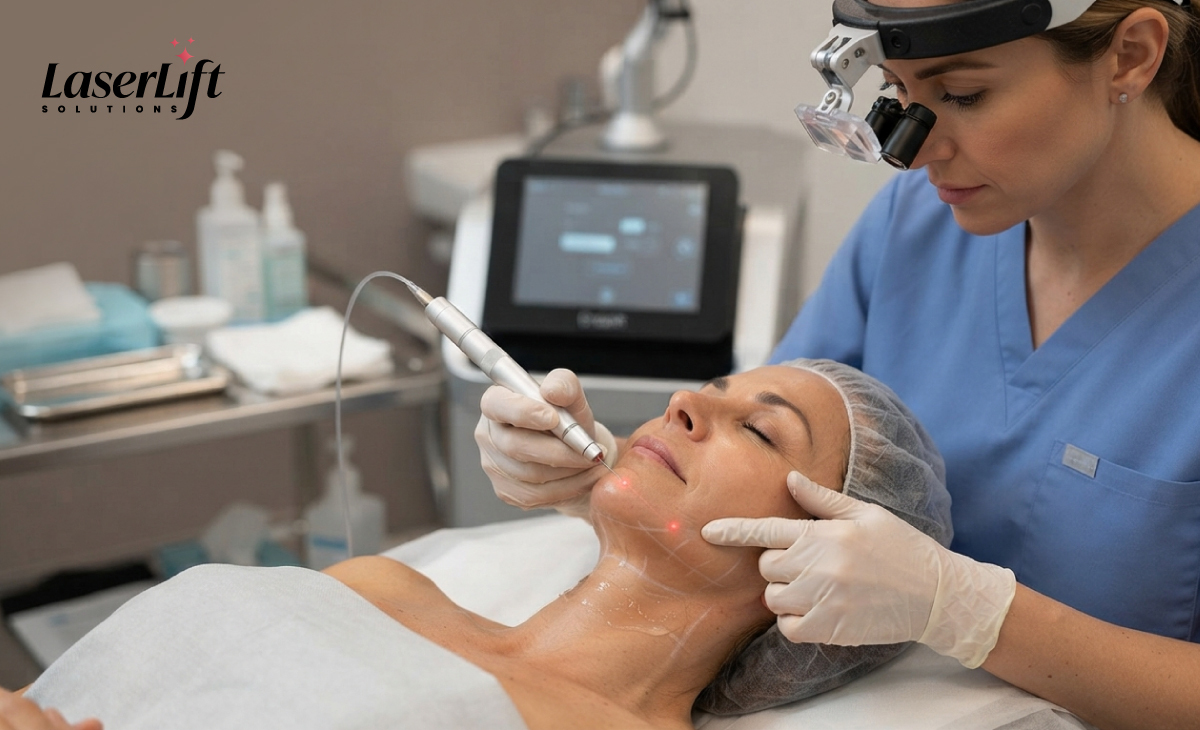
A PDRN facial may involve a cream, microneedling, or injections. These methods have different risks and levels of evidence. Before choosing one, ask what product is being used and how it will be applied.
Research suggests that some DNA-based skin products may improve certain signs of aging. Results depend on the formula and treatment method, so a study of one product cannot prove that every PDRN facial works.
PDRN stands for polydeoxyribonucleotide. It contains processed DNA fragments; many products use material sourced from salmon. The nickname “salmon sperm facial” refers to that source, not to the application of untreated fish tissue.
Polynucleotides, or PN, are related DNA-based materials. PDRN and PN labels are sometimes used loosely in marketing. The exact formula, concentration, and delivery method matter more than the nickname.
The evidence is promising but limited. The 2026 randomized-trial review of PN and PDRN included seven trials with 183 participants. Only four examined skin rejuvenation. The other trials studied scars or wound healing.
These studies used different products and methods. Their findings do not establish that a particular injectable PDRN facial is effective, or that wound-healing results apply to a cosmetic serum.
The 2026 study of a specific topical PDRN eye cream enrolled 31 women. For four weeks, each participant used a 0.1% PDRN eye cream on one side and a 0.1% retinol cream on the other.
Researchers reported greater improvement in several eye-area wrinkle and skin measurements with the tested PDRN formula. This was a small, short study of one formulation. It does not establish lasting results, benefits for every skin type, or superiority over all retinoid products.
The systematic review of PN treatments in esthetic medicine reported improvements in some wrinkle, texture, and hydration measures. Study quality and methods varied. PN findings should not be presented as proof for a different PDRN cream or injection.
Fine lines: Some studies report changes in wrinkle measurements, especially around the eyes.
Texture and hydration: These outcomes appear in PN research, but benefits vary by product and method.
Skin firmness: Early findings warrant further study; they do not establish a reliable lifting effect.
PDRN should not be marketed as a proven replacement for a facelift, significant volume correction, or treatment of a skin disease. Improvements from a combination procedure also cannot automatically be credited to PDRN alone.
The term “facial” does not tell you whether a treatment breaks the skin. Use the comparison below to clarify what is being proposed.
|
Approach |
What it involves |
What to verify |
|
Topical PDRN |
A cream or serum applied to the skin surface. |
Evidence for the exact formula and its labeled use. |
|
Microneedling + PDRN |
A product paired with a procedure that punctures the skin. |
Device clearance does not approve delivery of PDRN. |
|
PDRN or PN injection |
A product placed directly into living skin. |
Exact product, intended route, and U.S. regulatory status. |
A topical cosmetic is formulated for its labeled use. It should not be treated as an injectable product simply because it comes in a vial or is called a “skin booster.”
According to FDA guidance on cosmetics and U.S. law, cosmetics generally do not receive FDA premarket approval, apart from certain color additives. Registration or product listing is not the same as approval.
Do not assume a proposed PDRN injection has U.S. FDA approval because it is available overseas. Ask for the exact product name, manufacturer, intended route, and documentation of its U.S. regulatory status.
FDA guidance on microneedling devices states that these devices are not approved to deliver cosmetics, drugs, or blood products into the skin. Device clearance does not establish approval of a PDRN combination.
Topical products can irritate the skin. Needling procedures add risks such as bleeding, bruising, infection, and pigment changes. PN injection studies have reported local pain, swelling, redness, and itching.
Small studies cannot rule out uncommon or long-term complications. An absence of serious events in a trial is not a guarantee that another product or procedure is safe.
Allergies, including a fish allergy or a past reaction to a skin product.
Pregnancy, breastfeeding, and relevant medical conditions.
An active rash, infection, cold sore, or history of difficult healing.
Medications and recent skin procedures.
Purification does not guarantee that a fish-derived product is suitable for someone with an allergy. Your clinician should review the actual ingredients and labeling.
The topical eye-cream trial assessed changes after two and four weeks. Those research visits are not a guaranteed timeline for another product or a clinic facial.
There is no single proven schedule or duration for all PDRN treatments. Ask what outcomes were studied for the exact formula, how improvement will be assessed, and whether maintenance is supported by evidence.
Recovery depends on whether the product stays on the surface or the procedure punctures the skin. Avoid accepting a blanket promise of “no downtime.”
Use a topical product according to its directions, and stop if it causes a concerning reaction.
After a procedure, follow written instructions about cleansing, sun exposure, makeup, and active skin-care ingredients.
Seek prompt medical care for worsening pain, spreading redness, drainage, or fever. Breathing difficulty or sudden vision changes require emergency care.
Is this a topical treatment, microneedling combination, or injection?
What exact product and ingredients will be used?
What human research supports this product and method?
What alternatives fit my skin concern?
What are the total cost, expected recovery, and follow-up plan?
If you are considering a PDRN facial in Miami, contact Nuceria Health to discuss your skin goals and available options. You can also review the patient information and visit guidelines before your appointment.
No. A cream containing PDRN is not a volume-restoring filler. Injectable products require separate assessment of their formulation, labeling, and intended use. FDA guidance on dermal fillers explains why approval and treatment areas are product-specific.
Laboratory mechanisms are not a measurement of visible results. A PDRN facial should not come with a promised percentage increase in collagen.
Not automatically. Review the ingredients and discuss known allergies or active skin conditions with your clinician before trying a new product.
A PDRN label does not establish that a product treats hyperpigmentation. Have the cause of dark spots assessed and compare options supported by evidence for that concern.
Cost depends on the product, procedure, location, and proposed number of visits. Request an itemized quote and clarify what is included before paying for a package.
Request an appointment here: https://mynuceria.com or call Nuceria Health at (305) 398-4370 for an appointment in our Miami office.
Check out what others are saying about our services on Yelp: Wellness Center in Miami, FL.