Please Wait..
- FOR MEN
- FOR WOMEN
- SUPPLEMENTS
- BLOG
- 0
Shopping Cart
Your Cart Is Empty$0.00
0
Shopping Cart
Your Cart Is Empty
$0.00
- FOR MEN
- FOR WOMEN
- SUPPLEMENTS
- PRODUCTS
- SERVICES
- BLOG
- OUR TEAM
- ABOUT
$0.00
$0.00
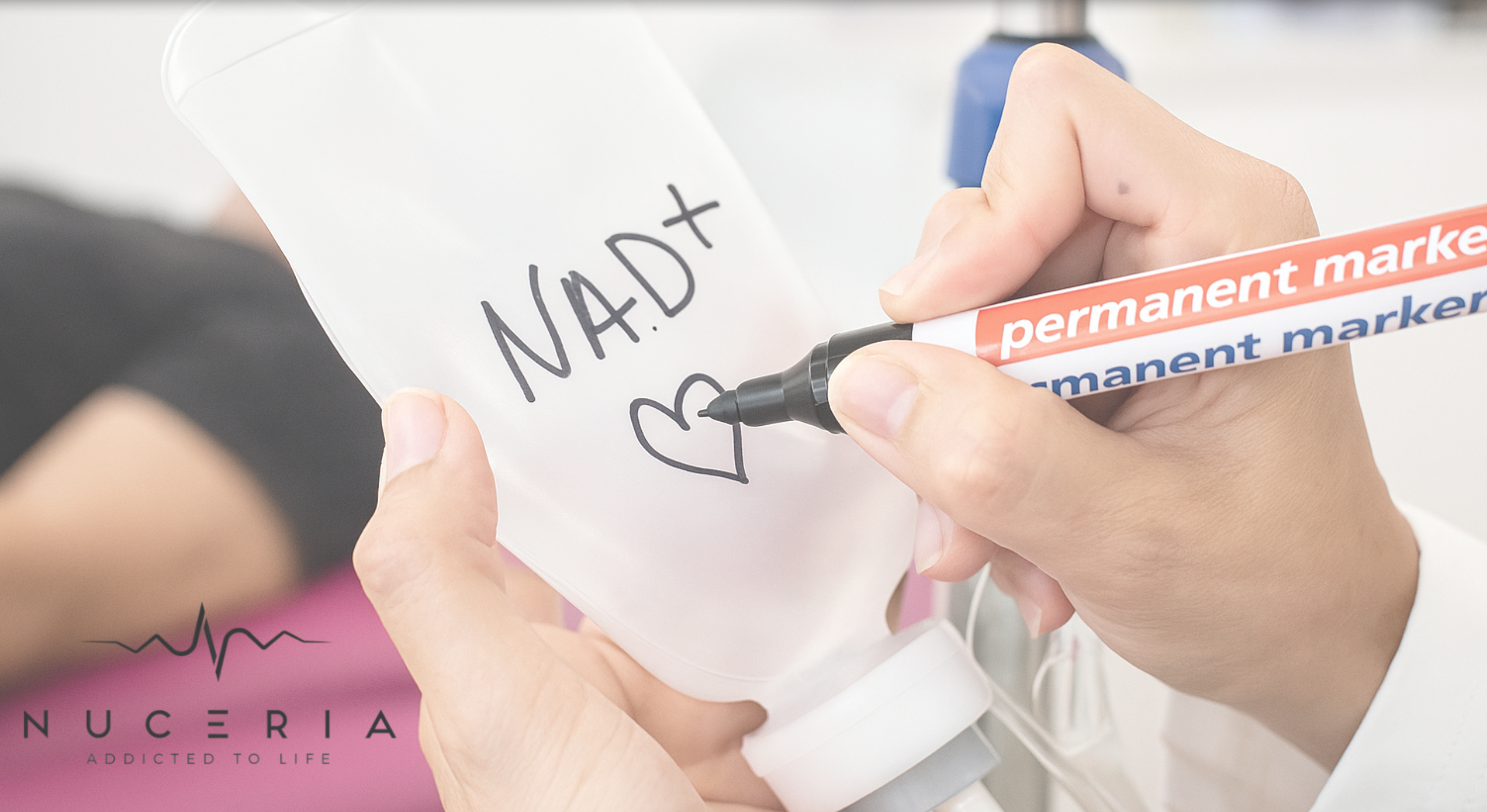
NAD+ IV therapy may catch your attention if you feel tired, struggle to focus, or take longer to recover after exercise. But these symptoms do not establish that your NAD+ levels are low or that an infusion is the right treatment.
Nicotinamide adenine dinucleotide, or NAD+, is a coenzyme involved in cellular energy production and processes related to DNA repair. Its biological role has prompted interest in NAD+ infusions, although human research on their clinical benefits remains limited.
If you recognize the following changes, start by discussing them with a healthcare provider. Finding the cause helps determine appropriate next steps.
Feeling exhausted after a full night of sleep deserves attention, especially when it becomes your usual experience.
Persistent fatigue can have several causes, including anemia, thyroid conditions, sleep disorders, medication effects, and depression. A provider may review your medical history and recommend testing based on your symptoms.
Before asking whether NAD+ IV therapy could help, describe when the fatigue started, whether it changes throughout the day, and how it affects your routine. These details make the consultation more useful than simply reporting “low energy.”
You may notice that familiar tasks take more effort or that staying focused feels harder than before. Write down specific examples, such as losing track during meetings or needing to reread instructions.
Bring those observations to your appointment, along with a list of medications and supplements. Your provider can decide whether further evaluation is appropriate.
Research into NAD+ metabolism does not establish that an infusion will improve memory or concentration. A small human pilot study examined what happened to NAD+ and its metabolites during an infusion; it did not demonstrate a treatment benefit for brain fog.
If your usual workout suddenly leaves you more drained, consider what has changed in your training schedule and daily routine.
Useful details to discuss include:
Whether you recently increased workout intensity.
How much time you allow between sessions.
Whether fatigue also occurs on rest days.
Whether discomfort limits your normal activities.
These observations can guide a conversation about recovery. They do not establish a need for NAD+ treatment. Current preliminary infusion research does not demonstrate that NAD+ IV therapy reliably improves athletic performance or speeds muscle recovery.
You may be considering NAD+ because you have noticed skin changes alongside lower energy or reduced physical stamina. Separate those concerns during your consultation: a cosmetic goal and persistent fatigue may require different approaches.
NAD+ participates in cellular processes associated with aging, but that does not mean an infusion has been shown to reverse aging or reduce wrinkles. Early human studies leave important questions about effectiveness unanswered.
Explain which changes matter most to you so your provider can discuss options relevant to those goals.
Reduced motivation can accompany fatigue. If you also feel persistently sad or have lost interest in activities you normally enjoy, include that in your medical consultation.
Depression and grief are among the possible contributors to fatigue. Addressing the underlying concern is more useful than assuming an infusion will restore your motivation.
Current evidence does not establish NAD+ IV therapy as a treatment for depression or anxiety.
If you are considering treatment, ask your provider:
What evidence supports using NAD+ IV therapy for my specific goal?
What other causes of my symptoms should we evaluate?
What side effects and preparation risks should I understand?
How will we assess whether treatment is helping?
What alternatives are available?
Product quality matters. The FDA has warned about inappropriate food-grade ingredients used in sterile NAD+ preparations and has received reports of reactions consistent with excessive endotoxins, including severe chills, shaking, vomiting, and fatigue.
Appointment length depends on the proposed formulation, dose, infusion rate, assessment, and your response. Confirm the full visit length with the treating team before scheduling.
Ask how you will be monitored during the infusion and how the team will respond if you experience an unexpected symptom.
No. Fatigue has many possible explanations. Persistent symptoms warrant an evaluation before choosing a treatment.
No. A substance’s natural presence in the body does not make an injectable preparation risk-free. Infusion reactions and preparation quality both require consideration.
There is no well-established timeline for improvements in energy, focus, or recovery. Preliminary studies do not support promising an immediate benefit or a predictable duration of results.
Nuceria Health describes individualized treatment planning. Ask your provider to explain the rationale for any proposed schedule, the expected outcome, and when progress will be reviewed.
Nuceria Health offers NAD+ therapy in Miami. A consultation provides an opportunity to discuss your symptoms, medical history, and treatment questions.
Bring a short record of your symptoms, your current medications, and the goals you want to address. That gives your provider a clearer starting point for discussing your options.
Request an appointment with Nuceria Health to discuss your symptoms, the evidence, and appropriate next steps.
This article provides general education. A qualified healthcare professional must assess your symptoms, treatment suitability, alternatives, and individual risks.