 EN
EN ES
ES
Shopping Cart
Your Cart is Empty
$0.00
View Cart

Most people walk into a wellness journey with one specific complaint. Stubborn weight that won't move no matter what they try. Skin that's gone loose after a major transformation. Fatigue and brain fog that's been dragging on for months, with a quiet suspicion it might be hormonal.
These look like three different problems, and most providers treat them that way: a weight loss program in one office, a med spa treatment in another, a hormone panel somewhere else entirely, with nobody connecting the three. At My Nuceria, we built our model around a different premise — hormones, weight, and skin are not separate systems. They're three readouts of the same underlying physiology, and the fastest way to stall your progress is to treat them like they aren't related.
Yes. Estrogen, testosterone, cortisol, and thyroid hormones all directly influence how your body stores fat, how easily you build or hold onto muscle, and how well your skin retains the collagen and elasticity that keep it firm. When one of these shifts — through age, stress, or a medical condition — it rarely shows up as a single, isolated symptom. It tends to show up as a cluster: weight that resists diet and exercise, skin that loses its bounce, and energy that doesn't bounce back the way it used to.
That's why a provider who only looks at the scale, or only looks at the skin, is often missing the variable that's actually driving both.
If you're eating well, moving regularly, and still not seeing the scale move, hormones are one of the most overlooked explanations. Declining estrogen or testosterone changes how your body partitions fat — pushing more of it toward the midsection — and makes it harder to build the muscle that keeps your metabolism active. According to Cleveland Clinic, estrogen plays a direct role in regulating metabolism and fat distribution, which is part of why weight gain often accelerates around perimenopause even without major changes in diet.
A weight loss plan that doesn't account for hormonal status is frequently fighting a headwind it was never designed to address. This is exactly the gap our hormone optimization program is built to close before a weight loss program even starts.
They're a major contributor. Collagen — the protein that keeps skin firm and elastic — naturally declines with age, and that decline accelerates as estrogen drops. Cleveland Clinic notes that collagen production slows steadily over time, which is why skin that bounced back easily in your twenties may not do the same after rapid or significant weight loss in your thirties, forties, or beyond.
This is the connection most weight loss providers never mention: lose the weight, and the skin underneath may not catch up on its own — especially if collagen support wasn't part of the plan from the start. If you've already lost the weight and are facing this now, our guide on non-surgical skin tightening options walks through what's available without surgery.
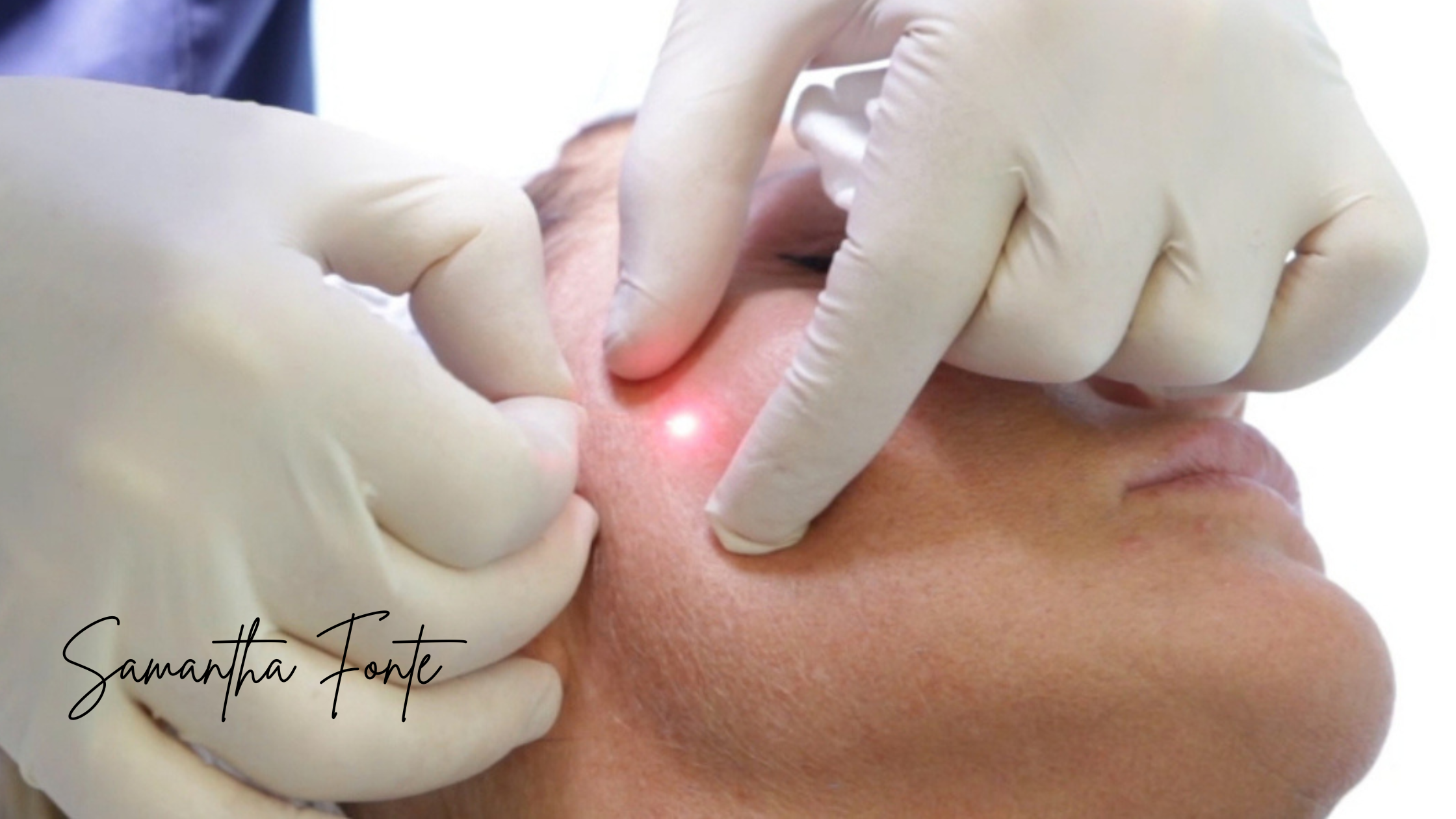
Approaches generally fall into a few categories — radiofrequency-based treatments like Endolift, and laser-based methods such as laser skin tightening for the abdomen — and the right one depends on the area, the degree of laxity, and how the skin responds after significant weight change.
It can be genuinely hard to tell the two apart, which is exactly the problem. Cortisol imbalances and thyroid dysfunction both produce fatigue, brain fog, and weight gain that look identical to “just getting older” or “not trying hard enough.” Mayo Clinic lists fatigue, weight gain, and difficulty concentrating among the most common symptoms of an underactive thyroid — a condition that's frequently missed because its symptoms mimic everyday stress or aging.
The only reliable way to tell the difference is testing, not guessing. Our HRT program for women starts with lab testing specifically because symptoms alone can point in the wrong direction.
Once you accept that hormones, weight, and skin move together, the right model for care changes. At My Nuceria, that means three things in practice.
Starting with data, not assumptions. Before recommending any program, we run the labs that actually explain what's happening — thyroid panels, sex hormones, metabolic markers — instead of guessing based on symptoms alone.
Sequencing treatment intentionally. If a hormonal imbalance is driving weight gain, addressing it first changes what the weight program needs to accomplish. If significant weight loss is already planned, we build in skin elasticity support ahead of time instead of reacting to loose skin after the fact.
Keeping every provider on the same page. One care team means your hormone specialist knows what your weight program is doing, and your aesthetic provider understands what's shifting in your body chemistry — instead of three specialists each working from a partial picture.
This isn't about steering every patient toward every service. It's about catching the connections that a single-treatment provider is structurally set up to miss.
A traditional med spa focuses on aesthetic treatments — injectables, lasers, body contouring — without addressing the hormonal or metabolic factors underneath them. A longevity clinic typically focuses on internal health markers — labs, hormone therapy, metabolic health — without offering the aesthetic side at all. My Nuceria operates as both, which is precisely why we can treat the skin, the hormones, and the weight as one connected picture instead of referring you out twice. We'll break down this comparison in more depth, including how to know which model actually fits your goals, in an upcoming article.
If you're dealing with one of these symptoms in isolation — stubborn weight, low energy, skin that's lost its firmness — it's worth asking a broader question before committing to a narrow fix: is this really one problem, or a symptom connected to the others?
That's the question every My Nuceria consultation starts with. In the coming weeks, we'll go deeper into each piece of this picture: what labs you should actually ask for, how GLP-1 medications fit into (and don't fully solve) a weight strategy, and what your options look like for skin tightening once the weight is already gone.
For now, the most useful first step is the one we'd recommend to anyone: stop evaluating these symptoms separately, and start asking whether they're connected.
Request an appointment here: https://mynuceria.com or call Nuceria Health at (305) 398-4370 for an appointment in our Miami office.
Check out what others are saying about our services on Yelp: Wellness Center in Miami, FL.