 EN
EN ES
ES
Shopping Cart
Your Cart is Empty
$0.00
View Cart

Not every aesthetic provider should add Endolift to their practice.
This is not an entry-level procedure. It requires anatomical precision, clinical judgment, and the ability to select the right patient for the right outcome.
The providers who succeed with Endolift are not chasing trends. They are expanding into minimally invasive contouring and tissue remodeling with a clear treatment strategy.
If you are evaluating whether this fits your practice, start by reviewing the full program structure inside the
That gives you context before deciding if you qualify.
Endolift training is designed for medical professionals already working in aesthetics or procedural medicine.
The strongest candidates include:
Nurse Practitioners (NPs)
Physician Assistants (PAs)
Medical Doctors (MDs/DOs)
Dentists (depending on scope of practice)
Providers already performing injectables or energy-based treatments adapt faster because they understand patient assessment, consent, and complication management.
Endolift operates beneath the skin. That changes everything.
To perform it safely, providers must understand:
vascular structures
fat compartments
tissue response to energy
skin thickness and elasticity
Without this foundation, the risk is not just poor results—it’s poor decisions.Many providers benchmark their knowledge using standards from organizations like the
American Board of Cosmetic Surgery
Most injectors eventually hit a limitation.
They can treat volume, but they cannot fully correct:
skin laxity
jawline softening
lower-face heaviness
early tissue descent
Endolift fills that gap.It allows providers to move beyond injectables and into structural contour improvement, without stepping into surgery.
The biggest difference between average and high-performing providers is case selection.
Endolift is not for every patient.
Providers must evaluate:
mild vs advanced laxity
skin elasticity
whether the issue is fat, skin, or structure
realistic outcomes
If you want to sharpen that skill, review how candidacy is evaluated here:
Who is a good candidate for Endolift
This directly translates into better clinical outcomes.
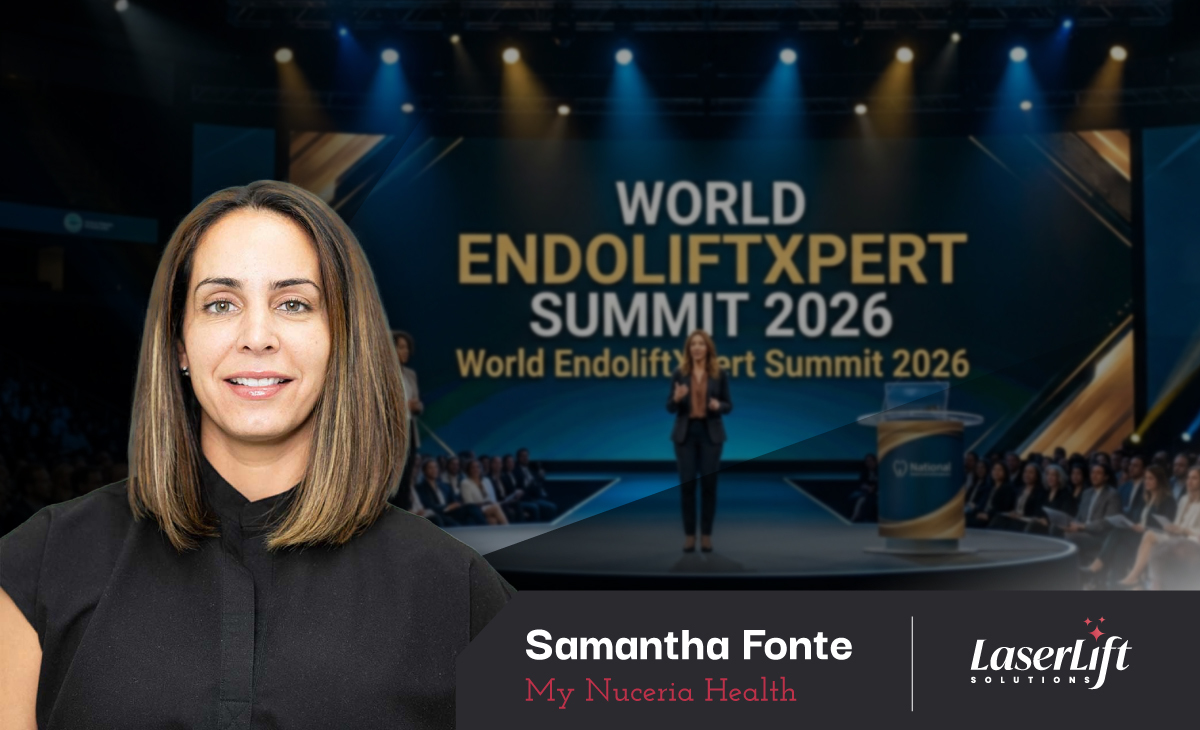
Training quality determines results. Not the device.Providers choose Samantha Fonte because her training focuses on decision-making before technique.
Her approach emphasizes:
identifying the right candidate before treating
evaluating skin elasticity and tissue response
knowing when not to treat
avoiding poor outcomes through better planning
working with real cases, not just theory
Most complications in aesthetics do not come from the tool. They come from bad judgment.That is what her training corrects.If you want to see how the program is structured, review it here:
Endolift training with Samantha Fonte
Endolift is not something you learn passively.
The providers who benefit most:
want real patient experience
expect a learning curve
understand repetition builds precision
are comfortable working under supervision
A certification does not create skill. Execution does.
Endolift is both a clinical and business decision.
Before enrolling, providers should assess:
demand within their patient base
pricing strategy
positioning vs competing treatments
integration into existing services
If you are analyzing the business side, read this breakdown:
That’s where most providers either validate the decision—or stop.
Not every provider is ready.
You should reconsider if:
you lack anatomy knowledge
you have no procedural experience
you are not actively treating patients
you expect immediate mastery
you want a low-effort service
Endolift requires judgment. Without it, results become inconsistent.
Before committing, pressure-test the training.
Ask:
Does it include real patient cases?
Who is leading the training?
Is there post-training support?
How many procedures are needed to gain confidence?
Does it cover complications and patient selection?
Skipping this step is where most bad decisions happen.
Endolift training fits providers who already operate in aesthetics and want to expand into tissue tightening and contour remodeling.
The strongest candidates:
understand anatomy
select patients carefully
commit to hands-on training
think beyond the procedure
If that describes your current level, review the next steps here:
Reserve your Endolift training spot
Who qualifies for Endolift training?
Licensed providers such as NPs, PAs, MDs, and qualified dentists with aesthetic experience.
Do I need prior experience?
Yes. Providers with injectable or procedural experience integrate the treatment faster.
Is this training for beginners?
No. It requires a clinical foundation.
What makes a training program high quality?
Hands-on cases, experienced instructors, and strong focus on patient selection.
How do I know if this fits my practice?
Evaluate both clinical fit and business potential before enrolling.
Request an appointment here: https://mynuceria.com or call Nuceria Health at (305) 398-4370 for an appointment in our Miami office.
Check out what others are saying about our services on Yelp: Wellness Center in Miami, FL.